
The Best Exterior Shutters Source
ShutterLand’s primary mission is to equip homeowners across America to select the best exterior shutters for their residential or commercial property. We guide visitors through the steps of choosing a style, material, configuration and color to make an educated outdoor shutter purchase. We are then able to supply high-quality affordable exterior shutters and ship directly to meet each project’s unique requirements.
ShutterLand Character
Our success relies on your success. The operation only works if homeowners and contractors are able to easily order, receive and install meticulously crafted, dependable exterior window shutters. Transparency and communication are essential to conveying exactly what will be received. We openly list every dimension of every shutter in our product line. The production times given are current and accurate, and prices can be obtained quickly online. We aim to be your absolute best research reference guide for measuring, assessing, pricing, comparing and installing outdoor shutters.
Custom-Made Shutters
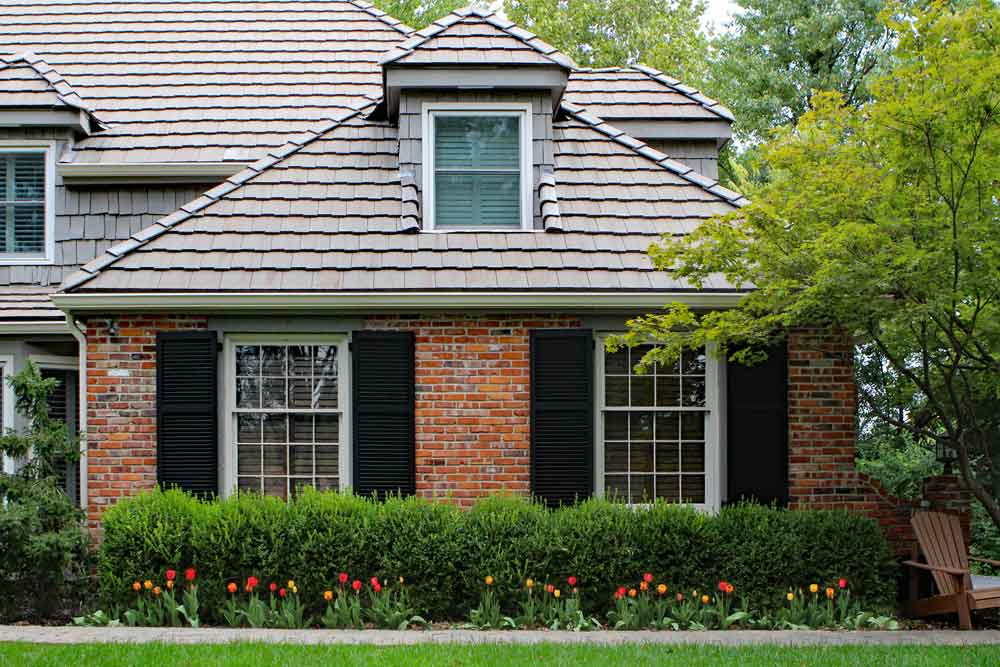
We offer seven prominent shutter styles, which meet the need of a majority of American homes. Each of those profiles is modifiable by size, material, configuration and finish. Our lineup consists of exceptional louvered, raised panel, shaker panel, flat panel, combination, board and batten, and bahama shutters. Materials include Red Grandis, Cedar, Mahogany, Economy Southern Yellow Pine, PVC, composite, and decorative vinyl. Each possesses different characteristics which usually makes selection clear.
Value and Price of Exterior Shutters
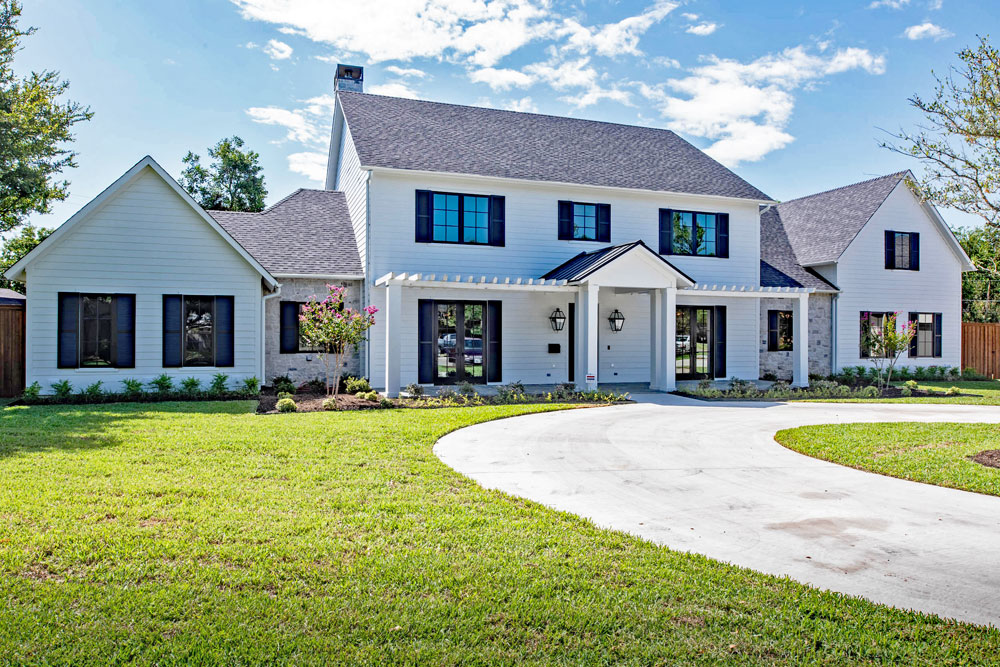
ShutterLand strives to sell value-based home improvement products. Our shutter prices are competitively established and instantly visible online. We want to provide every customer the opportunity to purchase affordable exterior shutters. Therefore, we do not deceptively inflate prices so we can later promote sales or coupon codes. You will receive the best price available at your convenience, any time you visit. Shipping is free on all exterior shutters (except some extremely tall or wide sizes) to any location in the continental United States.
Best Source for Exterior Shutters
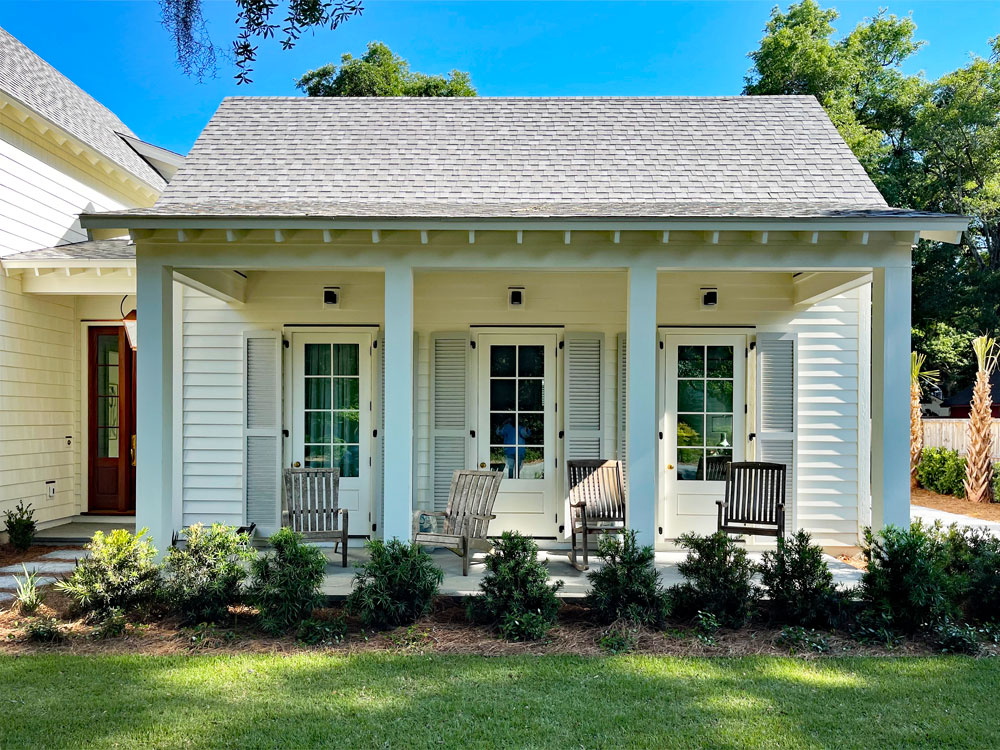
ShutterLand is not just one of the best exterior shutter companies online, it is the top exterior shutter source in America. ShutterLand’s credentials are enough to unequivocally claim the title of the best place to buy outdoor shutters.
- 500+ impressive 5-star Google reviews
- impeccable quality
- extensive selection of shutter styles, shutter materials, configurations and sizes
- competitive low prices
- consistent production and shipping times
- knowledgeable staff, ready to consult on your project
ShutterLand History
ShutterLand opened in 2003 and has become America’s top authority on exterior shutters. We are headquartered in Kansas City and always prepared to educate homeowners about the composition, installation and function of outside shutters. All wood, PVC and composite shutters are constructed in Alabama while our vinyl shutters are made in Illinois. ShutterLand window shutters reside on thousands of homes throughout the country, prompting many of those homeowners to send pictures and 500+ favorable reviews.
ShutterLand in the Press
ShutterLand was recently featured on HGTV’s Home Town Takeover!
 |